

 4 min read • October 5, 2026
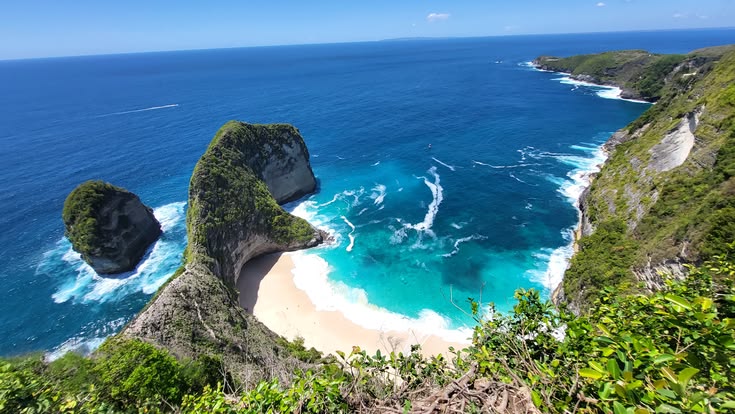

Introduction: The Twin Jewels of Nusa Penida
Nusa Penida, a rugged island located just off the southeastern coast of Bali, has rapidly evolved from a sleepy fishing outpost into one of Southeast Asia's most sought-after island destinations. Defined by soaring limestone cliffs, crystal-clear turquoise waters, and raw coastal landscapes, it offers a stark contrast to the bustling beach clubs of Seminyak and the rice terraces of Ubud.
Among the island's many natural wonders, two locations reign supreme: Kelingking T-Rex Cliff on the southwestern coast and Diamond Beach on the southeastern tip. Kelingking’s famous cliffhead, which uncannily resembles a T-Rex drinking from the ocean, is arguably the most photographed landmark in Indonesia. On the opposite side of the island lies Diamond Beach, a pristine bay guarded by sharp, diamond-shaped karst formations and accessible via a dramatic staircase carved directly into the cliffface.
While these two landmarks reside on opposite sides of the island, visiting both in a single day trip is entirely achievable with careful planning, smart transportation choices, and a well-structured timeline. This comprehensive guide breaks down everything you need to know to execute a seamless, memorable, and safe day trip to Nusa Penida's twin jewels.
Cross-Island Logistics: Bridging the West and East Coasts
The biggest challenge travelers face when planning a Nusa Penida day trip is geography. Nusa Penida covers approximately 200 square kilometers of hilly terrain. While distances on a map might seem short, local road conditions and winding topography mean transit times take longer than expected.
 Route Breakdown
- Harbor to Kelingking Beach: ~45–60 minutes (West)
- Kelingking to Diamond Beach: ~75–90 minutes (West to East cross-island drive)
- Diamond Beach to Harbor: ~45–60 minutes (East back to Harbor)
Because the cross-island traverse takes up to an hour and a half, minimizing lost time requires booking the earliest possible fast boat from mainland Bali and maintaining a disciplined schedule throughout the day.
Pre-Trip Preparation: Fast Boats & Getting There
Your day trip begins in Sanur, the primary mainland harbor for boats heading to Nusa Penida.
Fast Boat Schedules
- Morning Departures (Sanur to Nusa Penida): Fast boats run frequently between 07:00 AM and 08:30 AM. It is highly recommended to book a ticket for the 07:00 AM or 07:30 AM departure.
- Duration: The boat ride across the Badung Strait takes approximately 30 to 45 minutes, depending on ocean swells.
- Return Boats (Nusa Penida to Sanur): Most fast boat operators run their final return trips between 04:30 PM and 05:00 PM. Missing the last boat means booking overnight accommodation on the island, so you must factor in enough buffer time to get back to the harbor by 04:00 PM.
Arrival Harbors
Fast boats from Sanur typically dock at either Banjar Nyuh Harbor or Sampalan Harbor. Banjar Nyuh is generally preferred for western routes, but either harbor works if you hire a private driver for the full day.
Transportation Options on the Island
Once you disembark at Nusa Penida, you have two primary transport choices to navigate the island.
 Option 1: Private Car with Driver (Strongly Recommended)
Hiring a car with a dedicated driver is the safest, most efficient option for covering both coasts in one day.
- Cost: Range from IDR 600,000 to IDR 800,000 (~$40–$55 USD) per day, including fuel and driver fees.
- Why it’s best: Local drivers know the shortcut routes, understand traffic patterns, and allow you to rest between rugged hikes in air-conditioned comfort.
Option 2: Scooter Rental
Scooters can be rented directly at the harbor for around IDR 75,000 to IDR 100,000 (~$5–$7 USD) per day.
- Safety Warning: While cheap, riding a scooter across Nusa Penida requires advanced driving skills. Many inland roads feature loose gravel, steep gradients, and narrow blind curves. If you choose this option, wear a helmet, drive cautiously, and keep a close eye on your fuel level.
- #NusaPenida
- #BaliTravel
- #KelingkingBeach
- #DiamondBeach

Adityarana
Senior Travel Writer & Island Specialist
Writes about the practical side of island travel: which harbour to use, when the strait is calm, and what a crossing actually costs once the extras are added up.

 4 min read
 13 views
 Twelve years covering the Bali–Lombok crossings